Why a Sunrise Desert Safari Offers the Best Views of the Lahbab Red Dunes
When people think of a trip to the Dubai desert, the first image that comes to mind is often a late-afternoon convoy of 4x4s kicking up dust under a blazing orange sun. That scene has its appeal, no doubt. But after spending the better part of five years guiding groups through the Lahbab red dunes, I have come to believe that the early morning holds something even better. A sunrise desert safari changes not just the light but the entire character of the experience. The air is cooler, the sand is firmer under the tires, and the silence of the desert at dawn has a weight that stays with you long after you have brushed the last grains of sand off your shoes.
I remember the first time I took a group out at 5:30 a.m. The guests were groggy, clutching paper cups of coffee, and clearly wondering why they had agreed to this. Twenty minutes into the drive, as the sky shifted from deep violet to a pale gold, every single person fell quiet. That is the moment that sells the idea of a sunrise desert safari. It is not just about beating the heat, though that is a practical bonus. It is about seeing the desert in a state that most visitors never witness: calm, cool, and completely still.
The Light Changes Everything
Photographers will tell you that the hour after sunrise and the hour before sunset are the golden hours for a reason. But in the desert, the morning golden hour has a clarity that the evening version lacks. The sand is undisturbed by the day's wind, so the dunes show their true shapes. The shadows are long and defined, carving out ridges and valleys that become flat and washed-out by midday. Driving a dune buggy across those early shadows feels less like a thrill ride and more like a careful negotiation with the landscape. You see the dips before you hit them. You read the sand better.
I have guided groups on evening safaris where the wind has erased every track within an hour. The dunes become featureless, and navigation relies more on compass bearings than on visual cues. In the morning, the tracks from the previous day are still visible, offering a kind of map that tells you which lines worked and which ones ended in a soft recovery. That kind of feedback is useful for novice drivers who are still learning how the buggy responds to different angles and speeds. A sunrise desert safari gives you that teaching advantage.
Wildlife and Weather
Another thing that surprised me when I started running early trips is how much more active the wildlife is at dawn. Arabian oryx, gazelles, and even the occasional fox are far more likely to appear in the first hour of light than at any other time. The heat drives them into cover during the day, and the evening safaris usually spook them before anyone gets a good look. In the morning, we often stop at a high dune and just watch. The animals seem to tolerate our presence as long as we stay still and quiet. That alone makes the early start worthwhile for anyone who cares about more than just speed.

Temperature is the obvious practical reason. From June through September, afternoon sand temperatures can exceed 50 degrees Celsius. Even with air-conditioned vehicles, the experience of being outside on foot is uncomfortable at best and dangerous at worst. A morning start brings the mercury down to the low 20s or high teens, depending on the season. That makes a difference not just in comfort but in safety. Guests are less likely to dehydrate, less likely to overheat, and more likely to enjoy the parts of the tour that require walking or standing still. I have seen too many afternoon groups rush through the sandboarding and the photo stops just to get back into the shade. On a sunrise safari, people linger.
Driving Conditions for Self-Drive Tours
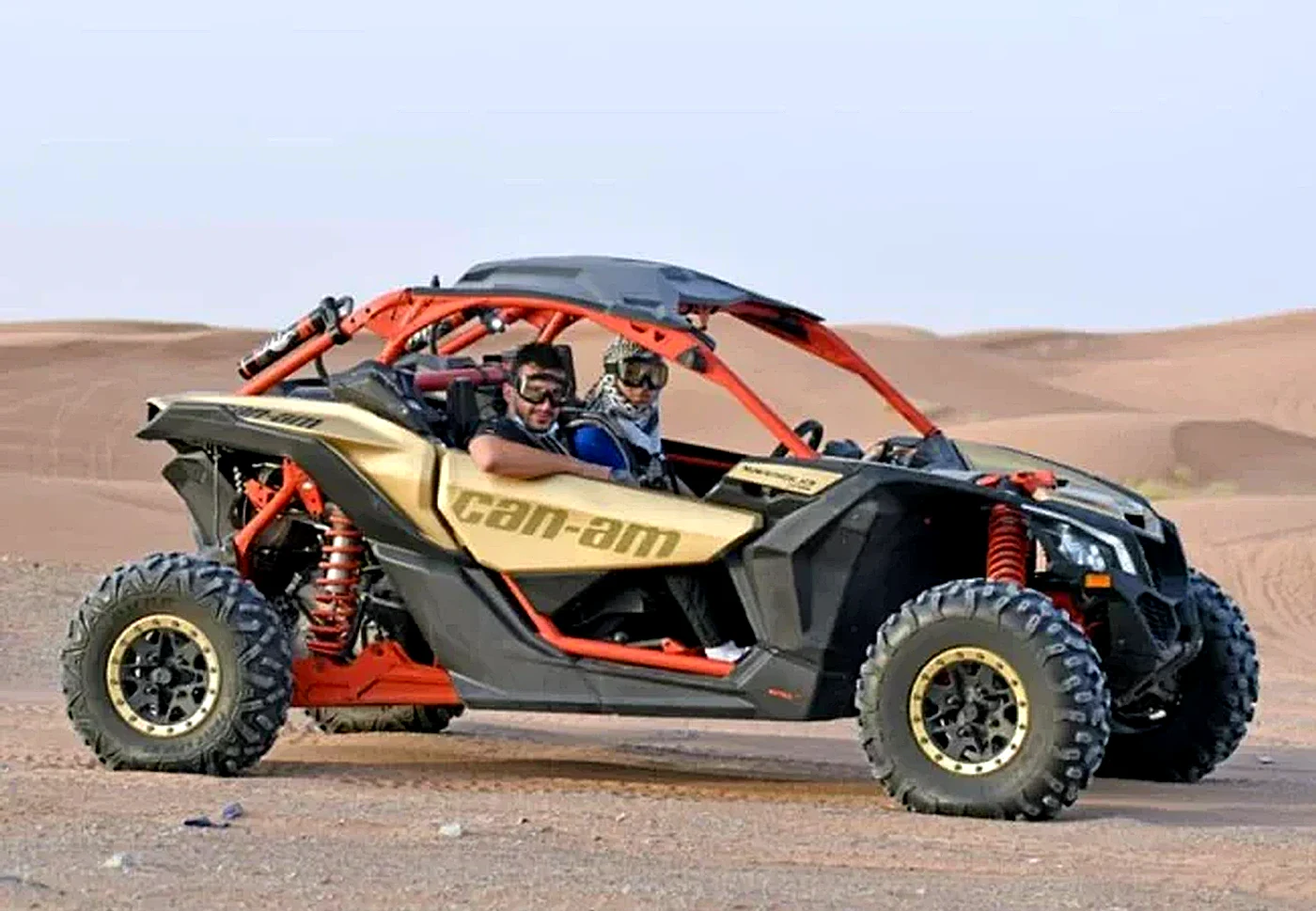
For those who choose a self-drive dune buggy or quad bike, the morning sand offers the best handling. Overnight humidity and cooler temperatures leave the surface layer slightly damp and compacted. That might sound like a small detail, but anyone who has tried to crest a tall dune in loose, dry sand knows how quickly things can go wrong. The buggies we run are powerful, but even they struggle when the sand is too soft. In the morning, the tires bite better, the climbs are cleaner, and the risk of getting stuck drops significantly. For a first-time driver, that margin of error is crucial. It builds confidence without the frustration of constant recoveries.
I often tell guests that the difference between a good desert drive and a frustrating one comes down to timing. A midday run can feel like a battle against the terrain. A morning run feels like a partnership. You learn to read the sand, to ease off the throttle when the dune face steepens, and to trust that the buggy will hold its line. Those lessons stick better when the conditions are forgiving, and they translate directly to better driving in tougher conditions later. That is why I recommend a sunrise desert safari to anyone who is serious about learning how to drive off-road, even if they only have one day to spare.
What to Expect on an Early Morning Trip
If you have never done a dawn trip, here is a rough outline of how the morning unfolds. Pickup from your hotel happens around 4:30 a.m. in summer, a bit later in winter. The drive to the Lahbab area takes about forty-five minutes from central Dubai. By the time you arrive, the sky is just starting to show colour. You go through a safety briefing, get fitted for goggles and helmets, and then you are off. The first twenty minutes are usually a warm-up on flatter terrain. Then, as the sun breaks the horizon, the guide leads you into the bigger dunes. There is a stop at a high ridge for photos, sometimes tea or coffee. The whole loop takes about two and a half hours. By nine o'clock, you are back at the base camp, the sun is still low enough to be pleasant, and you have the rest of the day ahead of you.
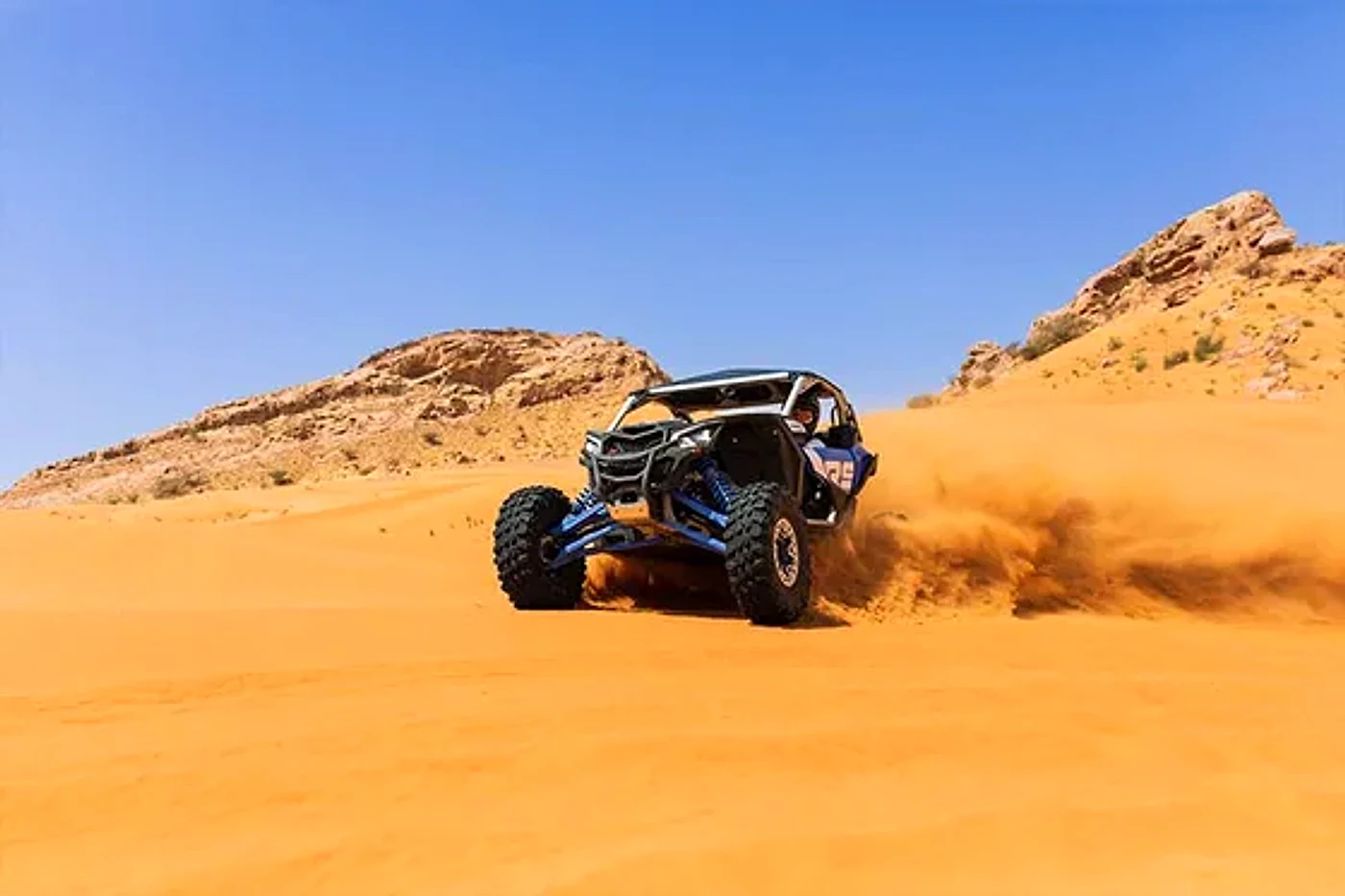
Compare that to an evening safari, which often runs from 3 p.m. to 7 p.m. The heat is at its peak during the first hour. The sun is in your eyes during the drive. And by the time you reach the good dunes, the light is already fading. You end up racing the clock for photos. The morning version flips that entirely. The light builds slowly, the temperatures rise gently, and you finish while the day is still young.
Packing and Preparation
I get asked a lot about what to bring. The short answer is: loose cotton clothing, closed-toe shoes, sunglasses, and a light jacket for the drive out. The desert can be surprisingly cold before the sun comes up, especially from November to February. Sunscreen is still necessary even at dawn, because the UV exposure adds up fast once the sun clears the horizon. Bring a scarf or a shemagh if you have one. It helps keep the dust out of your mouth and nose when driving behind another buggy. And bring a camera with a good lens. Phone cameras do fine, but if you have a DSLR or a mirrorless camera with a zoom lens, you will get shots that look like they belong in a magazine.
One thing I always tell people is to leave the drone at home unless you have checked the regulations first. The Lahbab area is near enough to military zones and airports that drone flights are restricted. I have seen too many tourists pack drones only to have them confiscated at the security checkpoint. Check the rules before you come.
For those who are still deciding between a morning and an evening trip, I would say this: if your main goal is adrenaline and you want to end the day with a barbecue dinner under the stars, the evening safari is a good choice. But if your priority is the landscape, the driving experience, and the chance to see the desert at its most beautiful, then the early start is worth every bit of lost sleep. A sunrise desert safari is not just a variation on the same theme. It is a fundamentally different encounter with the desert.
Connect with us on Facebook.
Desert Buggy Rental Dubai - Dune ATV Quad Bike Safari Tours, located at AL FAHAD Tower - Office 305 - Al Thanyah First - Barsha Heights - Dubai - United Arab Emirates, phone +971 52 440 9525, has been offering licensed self-drive dune buggy tours, quad biking, and safari experiences in the Lahbab red dunes since 2020, and their morning trips reflect the kind of local knowledge that comes from running the same routes day after day.